
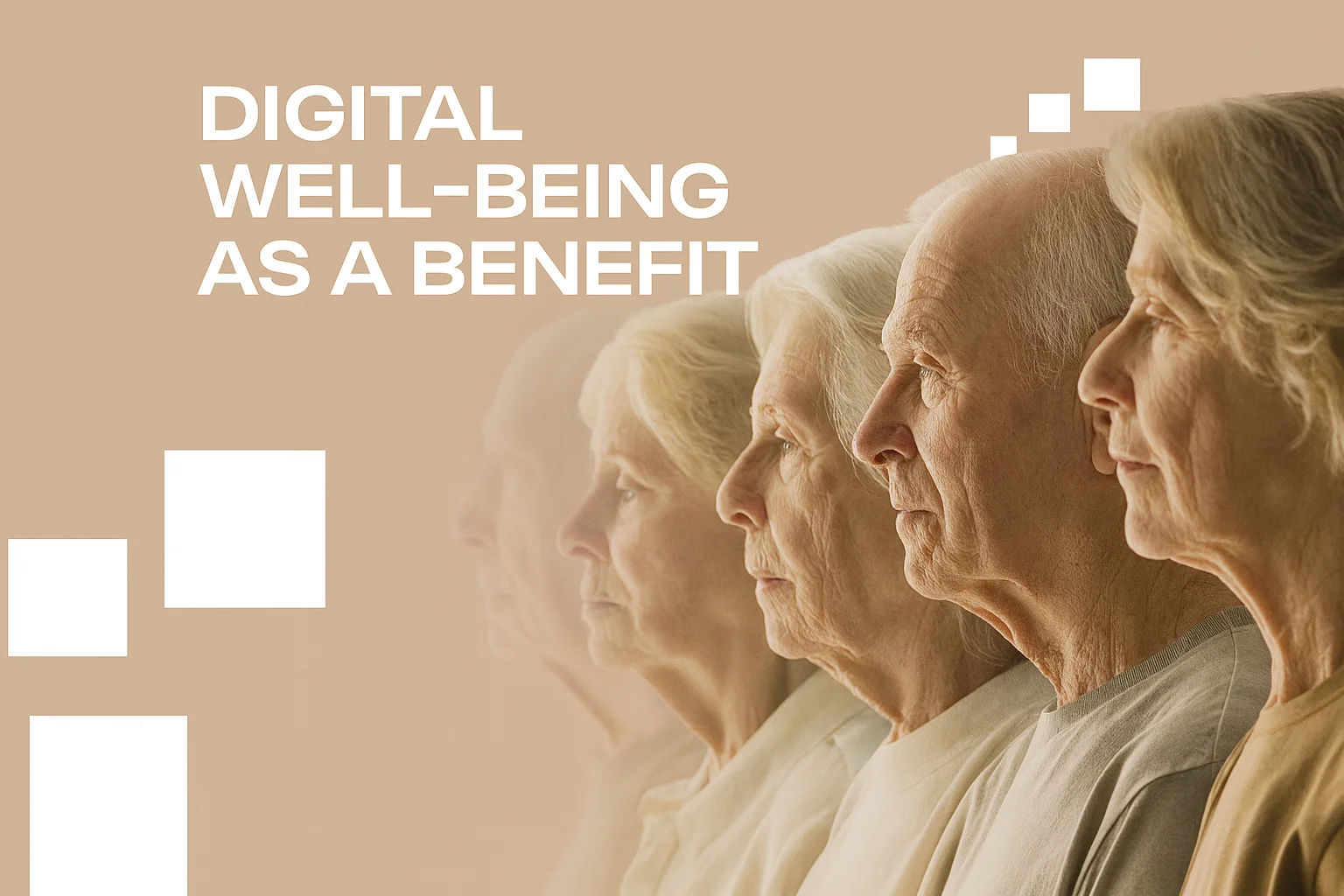
While visiting family in North Carolina for Thanksgiving, I was afforded the opportunity to give a seminar on digital security, specifically for the 55+ Active Adult community. This wasn’t my first time presenting to this demographic, yet I still found something disquieting; even though many residents had heard about basic fraud-prevention tips (password best practices, “don’t click suspicious links,” etc.), they did not appreciate the breadth and sophistication of modern scams. They’d even been visited by local law enforcement and given, wait for it… pamphlets… I’ll address law enforcement in a separate article.

What struck me most was how this lack of understanding fostered shame and isolation. One resident, who had lost a substantial sum, said that family members turned their backs and expressed their disappointment (even anger), despite having cybersecurity professionals among them. The victim wasn’t just embarrassed; they felt utterly alone. This reveals a painful truth: even when older adults “know what to watch for,” they still remain among the most targeted and vulnerable, because what they know is often outdated, incomplete, or disconnected from how modern fraud actually works.
Real-world numbers back this up. According to the latest FBI / Internet Crime Complaint Center (IC3) report:
- In 2024, Americans filed 859,532 complaints of suspected internet crime, and reported losses hit $16.6 billion, a 33% increase over 2023.
- Among those, older adults (60+) submitted more than 147,000 complaints, resulting in roughly $4.9 billion in losses, a dramatic 43% increase from the prior year and the largest total ever recorded by the IC3.
- The most damaging scams for older adults in 2024 included tech-support fraud, romance scams, investment/crypto fraud, and government/business impersonation scams.
The data confirms what I saw on the ground: for many older adults, cybersecurity isn’t an abstract risk – it’s a present, lived reality. And I feel I need to mention that the statistics above are just the events that were actually reported. Imagine the true number of those affected.
Why Traditional “Know-the-Signs” Advice Isn’t Enough
Several dynamics make active-adult communities uniquely exposed:
- Sophisticated, tech-enabled capabilities. Scammers now routinely use deepfake audio, caller-ID spoofing, cloned websites, crypto-wallet lures, and personalized social engineering. What once felt like crude “Nigerian prince” scams have matured into high-stakes, high-trust operations.
- The shame factor. Victims often internalize blame, believing they “should have known better.” This silence allows scams to persist unchallenged.
- Fragmented education. One-off alerts, newsletters, or pamphlets are insufficient. Without shared experiences, group dialogue, and regular reinforcement, even well-intentioned advice fades or feels theoretical.
From my surveys conducted with residents in North Carolina and during previous courses aimed at this demographic, the overwhelming majority expressed a clear preference for consistent, ongoing in-person engagement over one-off visitor lectures. They value continuity; the ability to ask follow-up questions, share experiences, and reinforce lessons through familiarity and trust. This feedback underscores that meaningful digital-well-being programs require a sustained human presence, not occasional awareness events.
In short, “I know about phishing” isn’t the same as “I understand what attackers are doing and I’m confident in how to respond.”
A Call to Action: Digital Well-Being as a Basic Community Benefit
If we design and market communities as safe, supportive, and connected, then digital safety must be part of that promise. Yet most communities treat cyber-risk awareness as an individual responsibility rather than a shared standard of care.
This is the gap that demands attention and professional guidance.
While community IT teams play an important role in maintaining networks and infrastructure, digital well-being is not an IT function. It’s a human-behavioral and educational challenge. One that requires structured learning, empathy, and trust-building, not just firewalls and filters.
Communities should consider partnering with organizations that specialize in behavior-centric digital-risk management and resident education to design programs that:
- Normalize conversation and remove stigma. Establish recurring sessions and peer-support models where residents can safely discuss scams, suspicious messages, and lessons learned.
- Empower residents with modern knowledge. Teach how current scams actually operate – deepfakes, crypto “safe accounts,” spoofed recovery calls – and how to interrupt them before losses occur.
- Integrate digital-hygiene services into community life. Simple support with MFA setup, privacy settings, and safe device use can transform resident confidence.
- Build community-wide trust frameworks. Define who to call, what to verify, and how to escalate potential incidents before panic sets in.
When digital well-being becomes part of the community’s culture, not an optional seminar or one-time lecture, residents feel more confident, families worry less, and management truly delivers on the promise of “safe living.”
If you’re building or managing an active-adult community today, ask yourself:
If we can invest in physical security and health amenities, why not invest equally in digital security, privacy, and peace of mind?
These programs aren’t luxuries. They’re the new foundation of community resilience.
Why This Matters – For Residents, Families, and the Industry
Older adults are now the most targeted demographic in the digital world – and they know it. What they lack isn’t awareness; it’s understanding and support.
When we acknowledge that vulnerability isn’t a flaw but a consequence of living in a hyperconnected world, we open the door to real solutions. Community leadership that embraces digital well-being as a standard, much like physical safety and wellness programs, will define the next generation of responsible development.
That’s the mission CohēCiv continues to advance through education, research, and outreach: equipping communities to face the digital age with confidence, empathy, and resilience.
Comments are closed